
Numerous industries struggle with contamination and shelf-life issues. These problems can affect the efficiency and increase the expenses. As a result of these challenges, companies require efficient solutions to manage them.
Since we are the producers of bentonite clay, we do realize that there are challenges in ensuring quality and standard. This is where bentonite clay becomes somewhat helpful. Bentonite clay is popular and highly effective in various industrial applications.
In this blog, we will list down all bentonite clay uses and benefits. This will help you find out how this material can be your best solution for your industrial problems.
Bentonite Clay Benefits
Bentonite clay is useful in many sectors and is involved in numerous applications for the following reasons:
Heavy Metal Remediation: Bentonite Clay helps remove heavy metals and, hence, can be used in cleaning up the environment. It is suitable for use in cases of soil and water management and restoration. Organizations apply it to prevent pollution and reestablish ecological equilibrium.
Nutrient Carrier: Bentonite clay increases the value of fertilizer by slowly releasing nutrients to plants. This slow release enhances plant growth and improves soil conditions. Farmers benefit from its long duration in crop yields.
Suspension Stability: Maintains suspension stability across various industrial processes. This property is crucial in the paint and coatings industry. It ensures consistent product quality and performance.
Moisture Retention: Bentonite clay improves soil moisture retention, aiding agricultural use. It helps plants withstand drought conditions. Farmers use it to enhance soil water-holding capacity.
Binding Agent: Essential for pelletizing iron ore and molding metal castings. It provides structural integrity in metalworking processes. Industries rely on its binding properties for product formation.
Bentonite clay’s versatility makes it an essential component in various fields. The benefits of Bentonite extend from health to environmental sustainability.
Industrial Uses of Bentonite Clay
Applications for bentonite clay soil span a wide range of sectors. Its stabilizing, binding, and absorbing qualities make it valuable. Below are some of the most popular bentonite clay industrial uses.
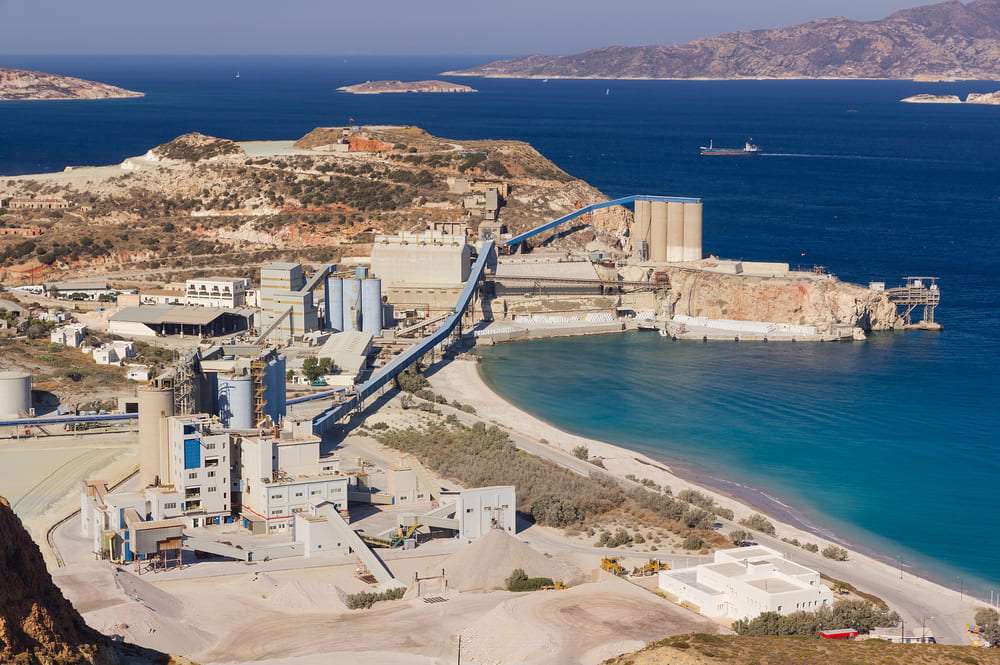
One of the most practical examples in this category is bentonite slurry in construction, where the material supports trench stability, sealing, and excavation control.
Bentonite Clay Benefits in Oil Drilling
Bentonite clay is essential in drilling fluids, lubricating, and cooling tools. It helps remove cuttings from the borehole, improving drilling efficiency. The clay also stabilizes boreholes, preventing collapse during drilling operations.
- Lubricates and cools drilling tools.
- Helps remove cuttings from boreholes
- Stabilizes boreholes to prevent collapse
Bentonite Clay Benefits in Metal Casting
Bentonite clay is also used in metal casting as a binder in the sand, which is used for casting, referred to as foundry sand. Compared to other types of clay, it is easier to work with yet strong and durable.
This helps provide the molds with the strength they need to produce very accurate and detailed castings. Bentonite is thus vital for creating high-quality, standard metal parts.
- Bonds sand particles in metal casting
- Ensures accurate and detailed molds
- Enhances the quality of metal castings
Iron ore pellets are essential in the steel-making process as they supply the needed raw material. The characteristic of binding that is obtained from the clay improves the strength and stability of the pellet.
- Binds iron ore particles into pellets
- Improves pellet strength and durability
- Essential for efficient steelmaking
Bentonite Clay Benefits in Agriculture
It assists in modifying soil texture, thereby enhancing plant health. The main uses of bentonite clay for plants include:
- Enhances soil moisture retention.
- Enhances nutrient access for plants.
- It enhances the health and growth of plants.
One of the more effective bentonite clay benefits is its use as a natural pesticide.
- It aims to prevent attacks on plants by several pests.
- Reduces the requirement for chemical pesticides.
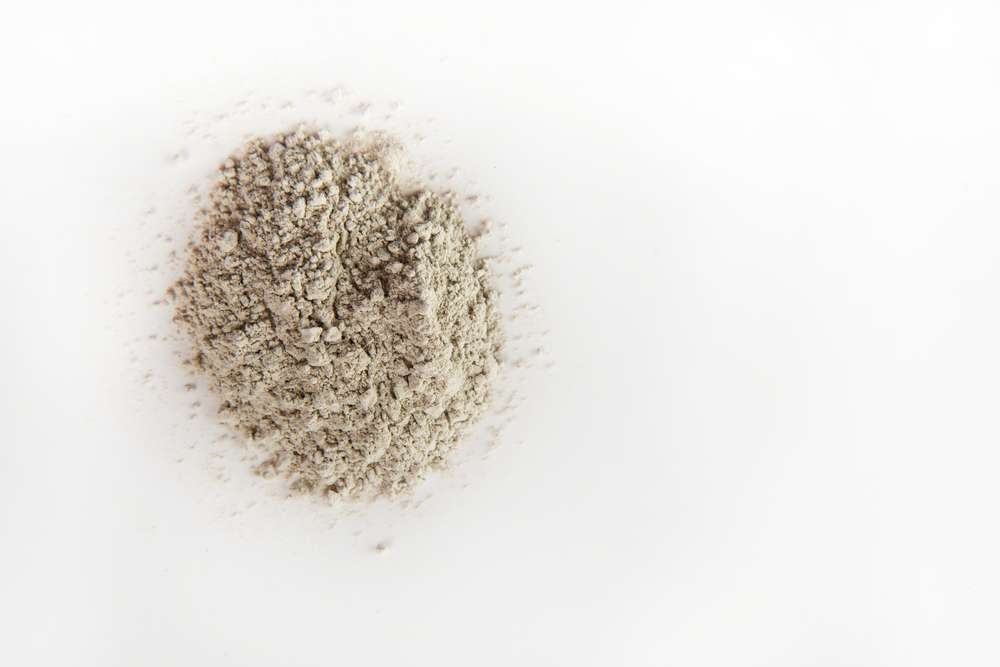
Bentonite clay is added to fertilizers to ensure slow nutrient release. Thus, enhancing plant growth over time.
- Improves the efficiency of fertilizers
- Ensures slow and steady nutrient release
- Enhances long-term plant growth
Thus, we can see that bentonite clay has numerous applications in agriculture. The advantages are improved soil and natural pest control.
Bentonite Clay Benefits in Water Treatment
Bentonite clay removes impurities and heavy metals from wastewater. Thus, it improves water quality, making it safe for discharge or reuse. This application is crucial for industrial and municipal water treatment processes.
- Removes impurities from wastewater
- Adsorbs heavy metals effectively
- Improves water quality for discharge or reuse
Bentonite Clay Uses in Construction
Bentonite clay is used in systems to seal foundations and structures against water penetration. Thus, it provides an effective barrier, preventing water damage and leakage. This bentonite clay usage is crucial for maintaining structural integrity.
- Seals foundations and structures
- Prevents water damage and leakage
Bentonite Clay Benefits in Pharmaceuticals
Bentonite clay is used as a carrier for various medications and as a filler in pharmaceutical tablets.
- Acts as a carrier for medications
- Serves as a filler in tablets
- Ensures controlled release of active ingredients
Bentonite clay is crucial in numerous industrial processes and environmental applications. Its diverse uses showcase its wide-ranging utility.
Bentonite Clay Benefits in Pet Care
Bentonite clay is used in cat litter products for moisture absorption and odor control. It forms clumps when wet, making it easy to clean.
- Absorbs moisture effectively
- Controls and reduces odors
- Forms clumps for easy cleaning
- Keeps litter box fresh and hygienic
Bentonite Clay Benefits in Paper Manufacturing
Bentonite clay is used to enhance paper quality, texture, and printability. It helps produce smoother, more uniform paper surfaces.
- Enhances paper texture and smoothness
- Improves printability for better print quality
- Provides uniform paper surfaces
- Reduces paper defects and imperfections
Bentonite clay’s properties make it indispensable in the paper manufacturing industry. It contributes to producing high-quality paper products.
Bentonite Clay Benefits in Wine-making
Bentonite clay is used in wine-making to remove suspended particles. It improves the clarity and stability of the wine.
- Removes protein haze and other impurities
- Enhances the visual appeal of the wine
- Improves wine stability and shelf life
Bentonite clay is essential for producing clear, high-quality wines. It ensures a visually appealing and stable final product.
Conclusion
As a leading bentonite clay supplier, The Sharad Group provides high-quality bentonite tailored to your needs. Here is why you should choose The Sharad Group’s bentonite clay.
- Acquired from natural volcanic ashes
- Highest quality for different uses.
- Effective use of the swelling potential of the sample.
For the best-quality bentonite clay, always go with The Sharad Group. Quality is well maintained in our products to meet the highest performance standards. Both sodium and calcium bentonite are available here as needed by the industry.
FAQs
1. What are the main benefits of bentonite clay?
The key benefits of bentonite clay stem from its unique properties, including heavy metal remediation, moisture retention, and acting as a binding agent. These make it invaluable across industries from agriculture to construction.
2. What are the primary bentonite clay uses in agriculture?
Bentonite clay uses in agriculture are extensive, focusing on soil improvement. It enhances moisture retention, acts as a nutrient carrier in fertilizers, and can even serve as a natural pest control, promoting healthier plant growth.
3. How is bentonite clay used in construction and water treatment?
A major bentonite use in construction is as a sealant for foundations to prevent water penetration. For bentonite in water treatment, its adsorption properties are key for removing impurities and heavy metals from wastewater effectively.
4. Why is high-quality bentonite clay important for industrial applications?
High-quality bentonite clay ensures consistent performance, whether for binding iron ore pellets, stabilizing boreholes in drilling, or suspending agents in paints. Its purity and swelling capacity are critical for efficiency and results.
5. What makes the best bentonite clay for soil improvement?
The best bentonite clay for soil improvement offers superior moisture retention and nutrient-carrying capacity. When used for plants, it improves soil structure, aids drought resistance, and enhances the long-term efficacy of fertilizers.